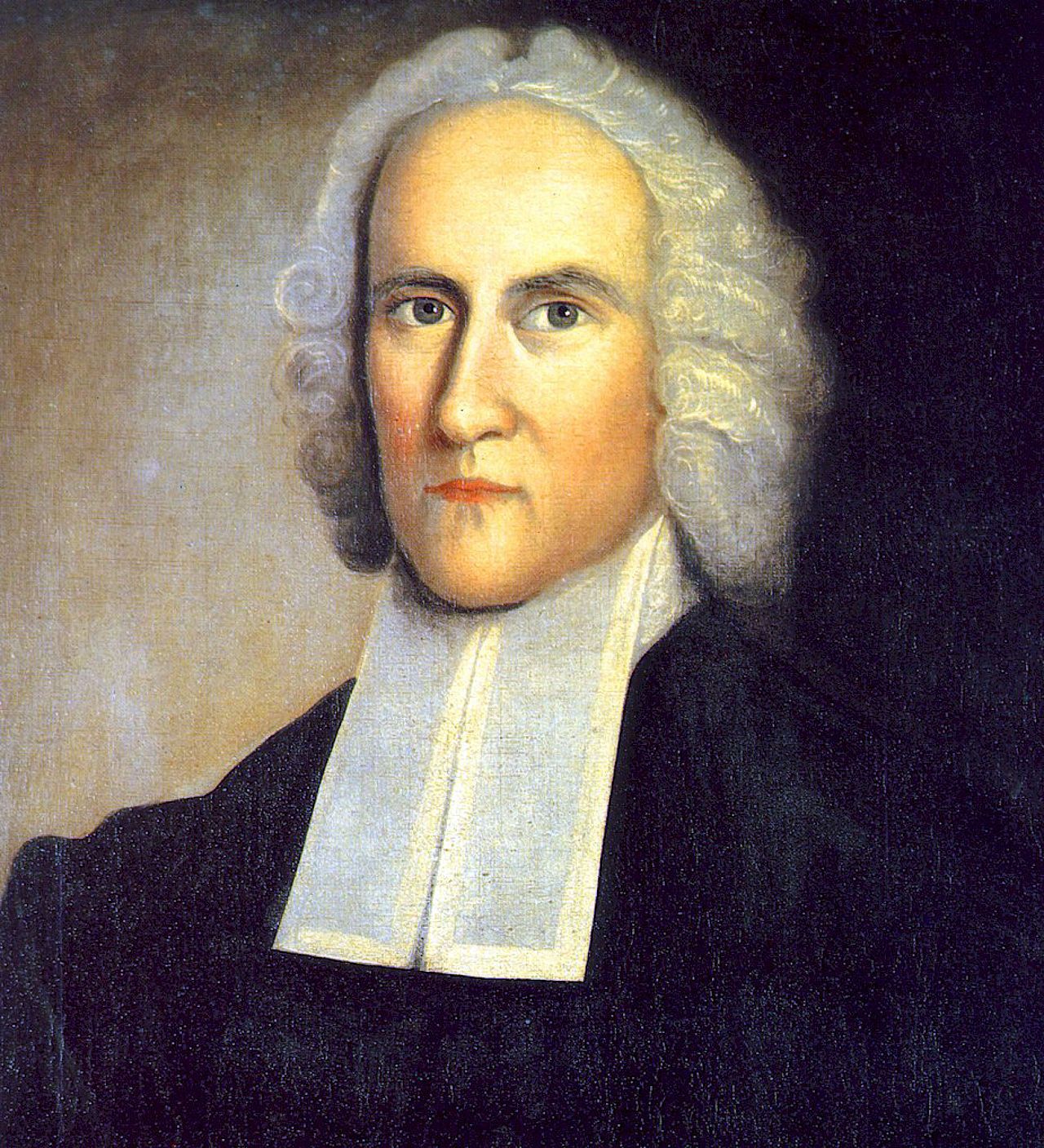
Jonathan Edwards - Theologian, Preacher, and Missionary in New England
Jonathan Edwards was a prominent 18th-century American theologian, preacher, and missionary, known for his role in the Great Awakening and for his missionary work with Native Americans in Stockbridge, Massachusetts, until 1758. His Calvinist theology profoundly influenced evangelicalism and modern missions.
Life and Education
Jonathan Edwards was born on October 5, 1703, in East Windsor, Connecticut, the son of Reverend Timothy Edwards and the grandson of Solomon Stoddard, an influential pastor. From an early age, he was destined for Christian ministry, showing a deep devotion to the cause of Christianity. Educated at Yale College, Edwards stood out as a brilliant intellectual, determined to excel in the Reformed faith.
After his education, he served briefly as pastor in New York and Bolton, Connecticut, before moving to Northampton, Massachusetts, in 1726 as assistant to his grandfather Solomon Stoddard. With Stoddard's death in 1729, Edwards became senior pastor of the First Congregational Church of Northampton, where he remained for more than two decades.
Ministry in Northampton and the Great Awakening
In Northampton, Edwards led notable spiritual revivals. In 1734, a series of sermons on sin and hell sparked a religious awakening that spread through Massachusetts and Connecticut, adding hundreds of converts to the church. This event was a precursor to the First Great Awakening, a transatlantic evangelical movement in the 1740s.
Edwards became the leading theorist of revival, with sermons such as "Sinners in the Hands of an Angry God", preached on July 8, 1741 in Enfield, Connecticut. Despite his fame as a fire-and-brimstone preacher, most of his more than 1,000 sermons emphasized divine mercy. He hosted the itinerant preacher George Whitefield in 1740, expanding the movement's impact.
Conflicts and Dismissal
Despite his successes, Edwards faced tensions with his congregation for requiring visible evidence of conversion for communion, differing from Stoddard's more liberal practices. After a two-year struggle, he was dismissed in 1750.
Missionary in New England: Stockbridge, 1751-1758
In 1751, Edwards accepted the call to pastor a small English congregation and serve as missionary to the Housatonic Indians (Mahican and Mohawk) in Stockbridge, Massachusetts, on the New England frontier. He took the post left by John Sergeant, preaching through interpreters and defending Native American rights against abuses by white settlers.
As an evangelist and educational reformer, Edwards worked tirelessly to meet the religious and educational needs of the Indigenous people. He edited the diary of David Brainerd, a missionary who died in 1747, inspiring future missions. During these years, he wrote foundational theological treatises such as The Freedom of the Will (1754) and Original Sin (1758), without neglecting his missionary labor. His example laid the groundwork for Calvinist missions in the 19th and 20th centuries.
In 1757, he was reluctantly invited to serve as president of the College of New Jersey (now Princeton University). He moved there in 1758, but died shortly afterward, on March 22, 1758, in Princeton, New Jersey, from an adverse reaction to a smallpox inoculation.
Legacy
Jonathan Edwards profoundly influenced American theology, culture, and spiritual life. Considered the greatest theologian and preacher in the United States, his doctrine gave rise to New England theology. As a minister, theologian, and missionary, he shaped the American Puritan-intellectual character, inspiring reformers and the modern missionary movement.
"Edwards was a window into a critical period of American history and a shaper of spiritual life in the United States."
- Key participant in the First Great Awakening.
- Defender of Native Americans in wartime.
- Author of works that defined evangelical Calvinism.
Birth
Date: October 5, 1703
Place: East Windsor, Connecticut, United States
Death
Date: March 22, 1758
Place: Princeton, New Jersey, United States
Written Works
- The Freedom of the Will (1754) - Theological treatise defending Calvinist determinism against Arminianism.
- Original Sin (1758) - Defense of the doctrine of original sin, completed in Stockbridge.
- David Brainerd's Diary (1749) - Edition of the missionary's diary, which inspired the modern missionary movement.
Recommended Books
To deepen your knowledge about this person, we recommend:
- The Life of Jonathan Edwards - George Marsden (2003)
A prize-winning biography that places Edwards in the context of the Enlightenment and revival.
Sources and References
This article was prepared based on the following sources:
- Edwards, Jonathan (1703-1758) | History of Missiology (website)
Detailed biography focused on missionary work in Stockbridge until 1758. - Jonathan Edwards (theologian) - Wikipedia (website)
Encyclopedic overview of his life, ministry, and mission in Stockbridge. - Connecticut Origins Shape New Light Luminary Jonathan Edwards (website)
Article on his origins and career, including the Stockbridge mission. - Jonathan Edwards - Historic Northampton (website)
Historical summary of his ministry in Northampton and Stockbridge.