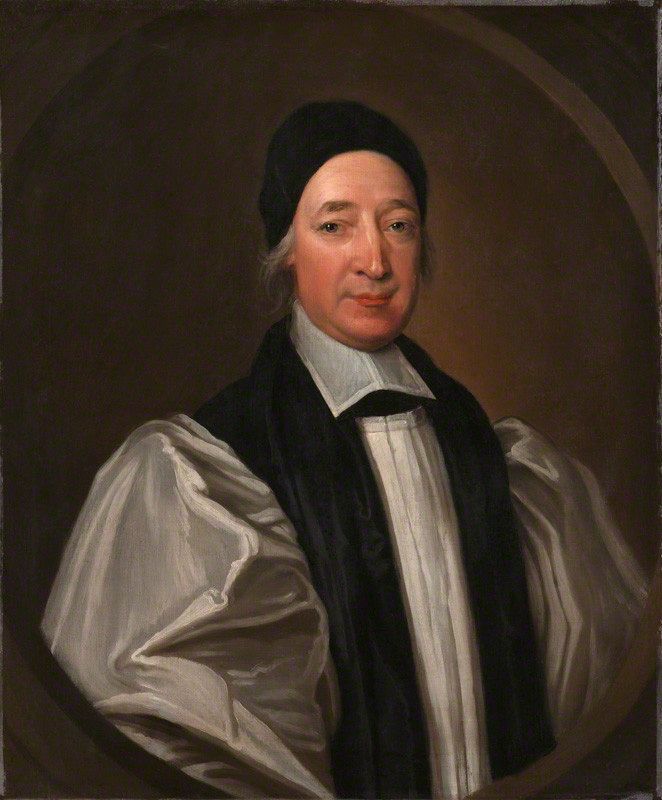
Thomas Ken - Bishop and Musician (1637-1711): A Prelate of Steadfast Conscience and a Lasting Musical Legacy
Thomas Ken was an English cleric and one of the most eminent bishops who refused to swear allegiance to William III. Beyond his ecclesiastical significance, he left a notable musical legacy through hymns that endure to this day in the Christian tradition.
Life and Education
Thomas Ken was born in July 1637 in England and was orphaned in childhood. He was raised by his sister Ann and her husband, who provided him with a solid education that prepared him for a life devoted to the Church.
Ministry and Ecclesiastical Work
Ken became one of the most eminent bishops of the Anglican Church of his time. His life was marked by a steadfast conscience and unwavering principles, especially during the reign of James II.
The Episode of the Tower of London
One of the most significant moments of his life occurred when Thomas Ken was one of the seven bishops imprisoned in the Tower of London for refusing to read publicly James II's Declaration of Indulgence. This act of civil disobedience demonstrated his loyalty to religious principles above political pressure. After a brief time in prison, he was released, but his refusal to swear allegiance to William III kept him from holding more prominent positions in the ecclesiastical hierarchy.
Musical Legacy
In addition to his ecclesiastical contributions, Thomas Ken is recognized as a composer and musician. His most notable musical work is the Doxology, which became widely known in the Christian tradition. This hymn is particularly celebrated and continues to be used in Christian communities to this day, including its presence in the Cantor Cristão as hymn number 8.
His contribution to sacred music reflects a deep understanding of the importance of musical expression in spiritual life and Christian worship.
Later Years and Death
Thomas Ken died on March 19, 1711 at Longleat House, leaving a lasting legacy in both ecclesiastical history and the Christian musical tradition. His life exemplified the tension between personal conscience and institutional obedience, making him a respected figure in the history of the Anglican Church.
Liturgical Recognition
Thomas Ken's importance was recognized by the Church, which commemorates him in the Anglican liturgical calendar on March 20 as Bishop and Musician, honoring both his ecclesiastical contributions and his musical work.
Birth
Date: July 1637
Place: England
Death
Date: March 19, 1711
Place: Longleat House
Liturgical Feast
March 20
Sources and References
This article was prepared based on the following sources:
- Tomás Ken – Wikipedia (website)
Basic biographical information about Thomas Ken, including dates of birth and death, and his role as a bishop - Ecclesiastical Calendar 2025 - Anglican Episcopal Church of Brazil - Anglican Episcopal Church of Brazil (document)
Official document listing Thomas Ken as a liturgical observance on March 20, identifying him as Bishop and Musician - Thomas Ken (1637-1711) - Lutheran Portal (website)
Information about the episode of the seven bishops imprisoned in the Tower of London and Thomas Ken's refusal to read the Declaration of Indulgence - Liturgical Calendar - Trinity Meier (website)
Liturgical calendar confirming Thomas Ken's commemoration date and his designation as Bishop and Musician - Thomas Ken (1637-1711) - MISSIONARY NETWORK (website)
Information about Thomas Ken's orphaned childhood, his upbringing by his sister Ann, and his authorship of the Doxology - Christian choral music and its historical concepts (document)
Academic document mentioning Thomas Ken as a composer of sacred music and his musical work